Abilene Local
PCP & Artificial Lift Insights
Technical guidance for operators running progressing cavity pumps across West Texas and beyond.
Request an estimate
Tell us what you need
Practical Knowledge for PCP Operators
Richardson Pump Service has worked alongside oil and gas operators in Abilene and across the Permian Basin for over 40 years. The articles here draw on that field experience, covering PCP selection, torque management, lift method comparison, runlife factors, and the operational decisions that separate wells that produce steadily from wells that don't.
These are not vendor brochures. Each piece addresses a specific technical question operators and production engineers ask when equipment is underperforming, when a pump fails earlier than expected, or when a new well needs a lift method matched to actual fluid conditions.
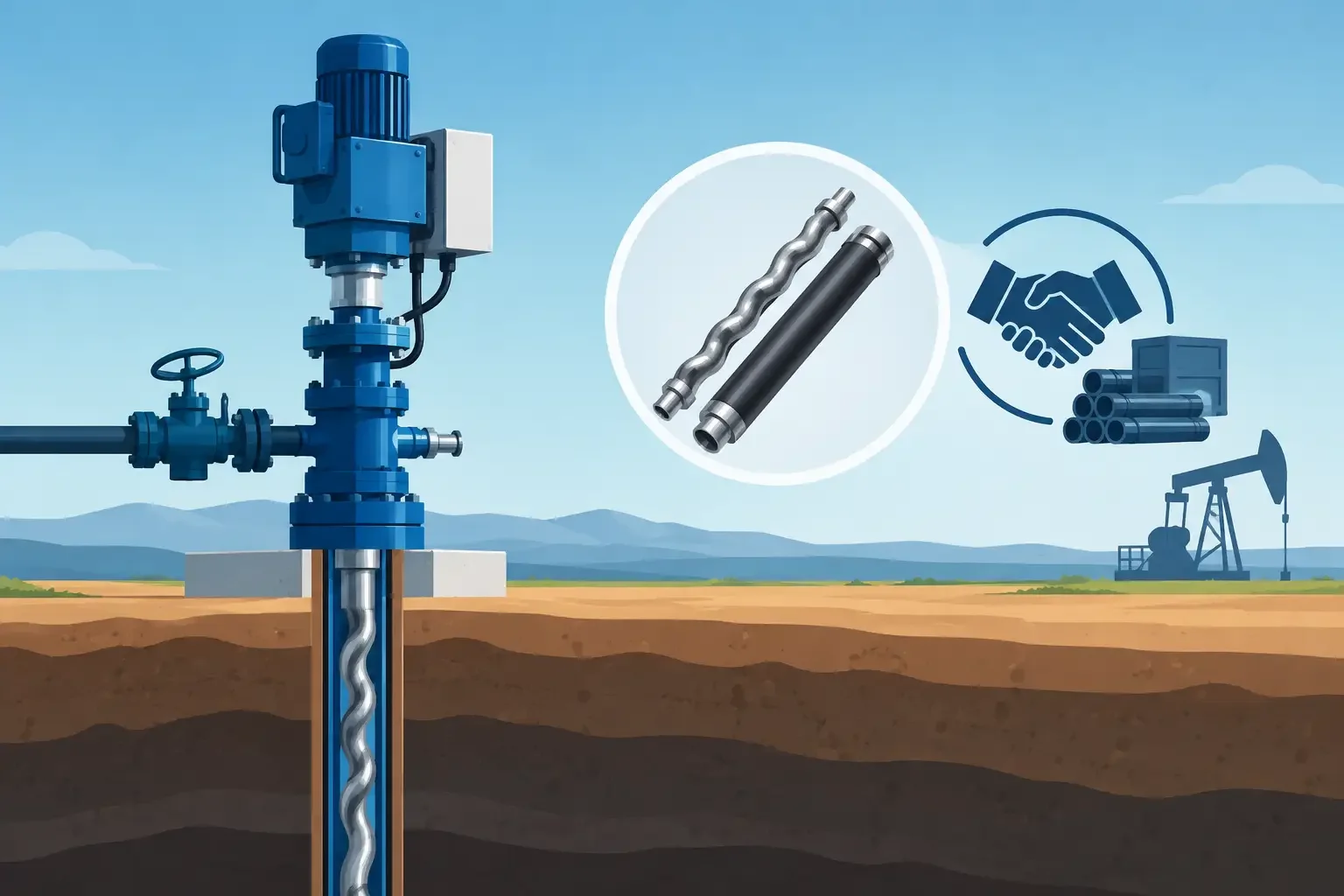
PCP Procurement for Reliable Artificial Lift
Sourcing the right pump starts with well data, not a catalog.
PCP procurement is more than a purchase order. Fluid properties, solids loading, depth, temperature, and anticipated production rates all constrain which pump geometry and elastomer system will hold up. Operators who source on price alone typically see the real cost surface at the first workover. Use well data, service requirements, and lifecycle cost to select artificial lift equipment that performs through the producing interval, not just on day one.
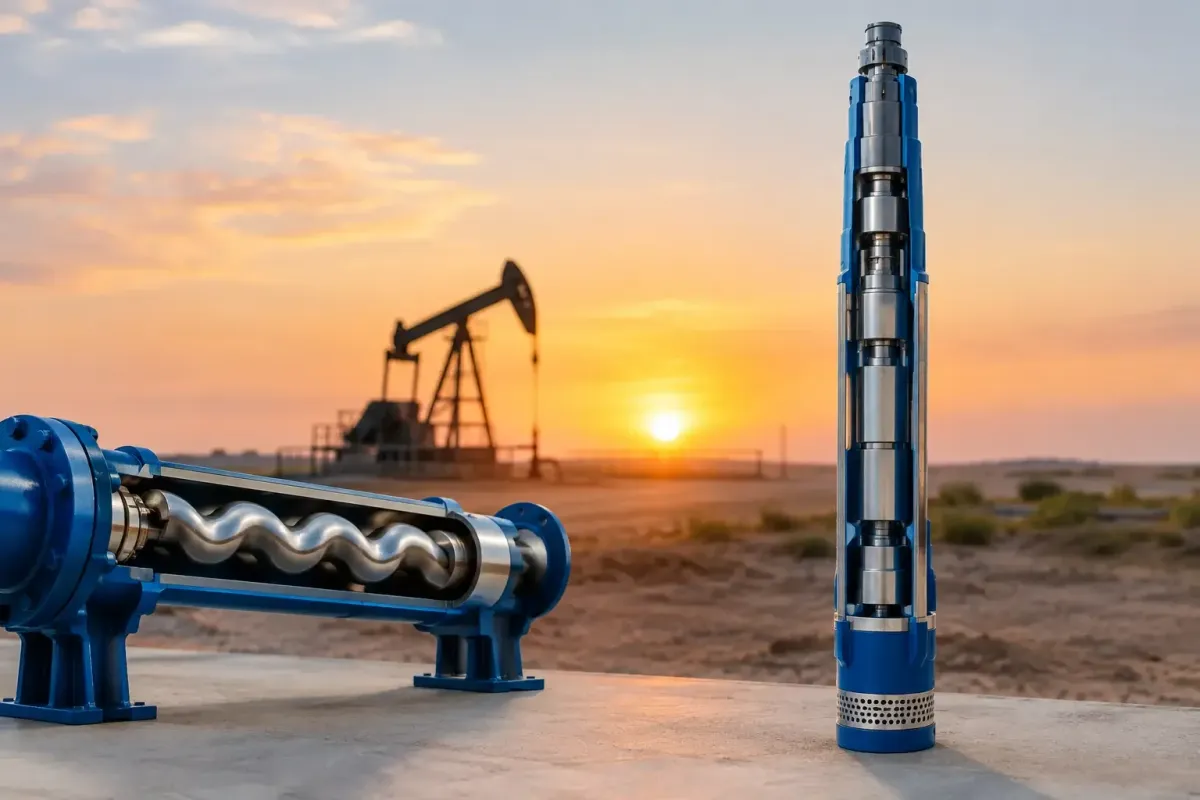
Oilfield Pump Service in Abilene, TX
Field support that begins before the pump goes in the hole.
Effective oilfield pump service covers selection, installation, startup, and the ongoing field monitoring that catches issues before they become workovers. Richardson Pump Service operates out of Abilene, TX, positioned to reach Permian Basin operators quickly. The brands we stock and service, PCM, Artemis, Weatherford, NETCO, SLB - Oil Lift, Martin, SPOC, give operators options across a wide range of well conditions rather than one catalog fit.
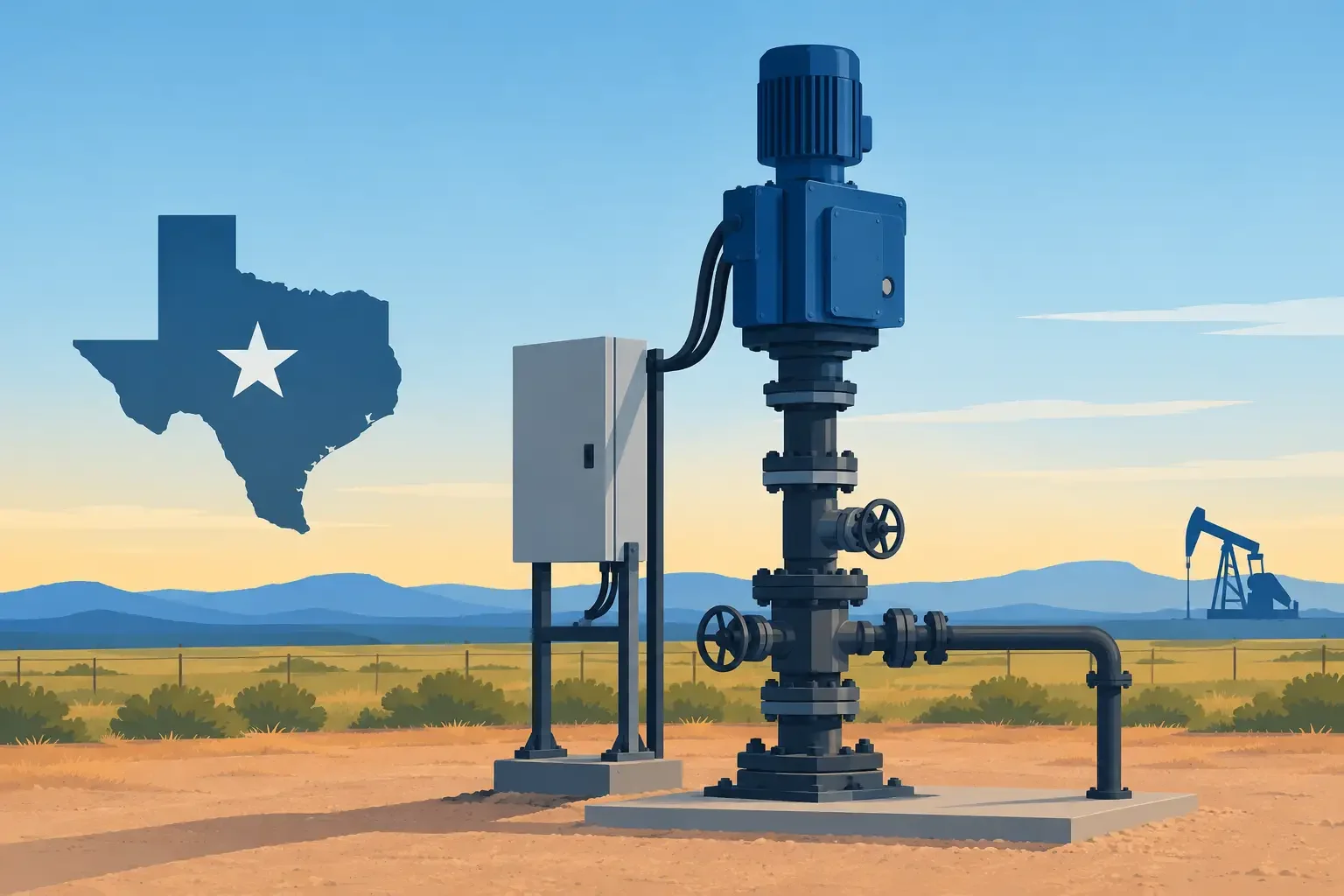
PCP Startup Management
What happens at first run determines how long the pump runs.
PCP startup management is where equipment protection and production stability begin. Loading rates, fluid fill, initial torque readings, and drive response all signal how well the selected pump fits the well. Operators who skip disciplined startup procedures often discover fluid, loading, or drive issues at the worst possible moment. After downtime has already started. A structured startup routine identifies those conditions while correction is still inexpensive.
Texas Artificial Lift Guide
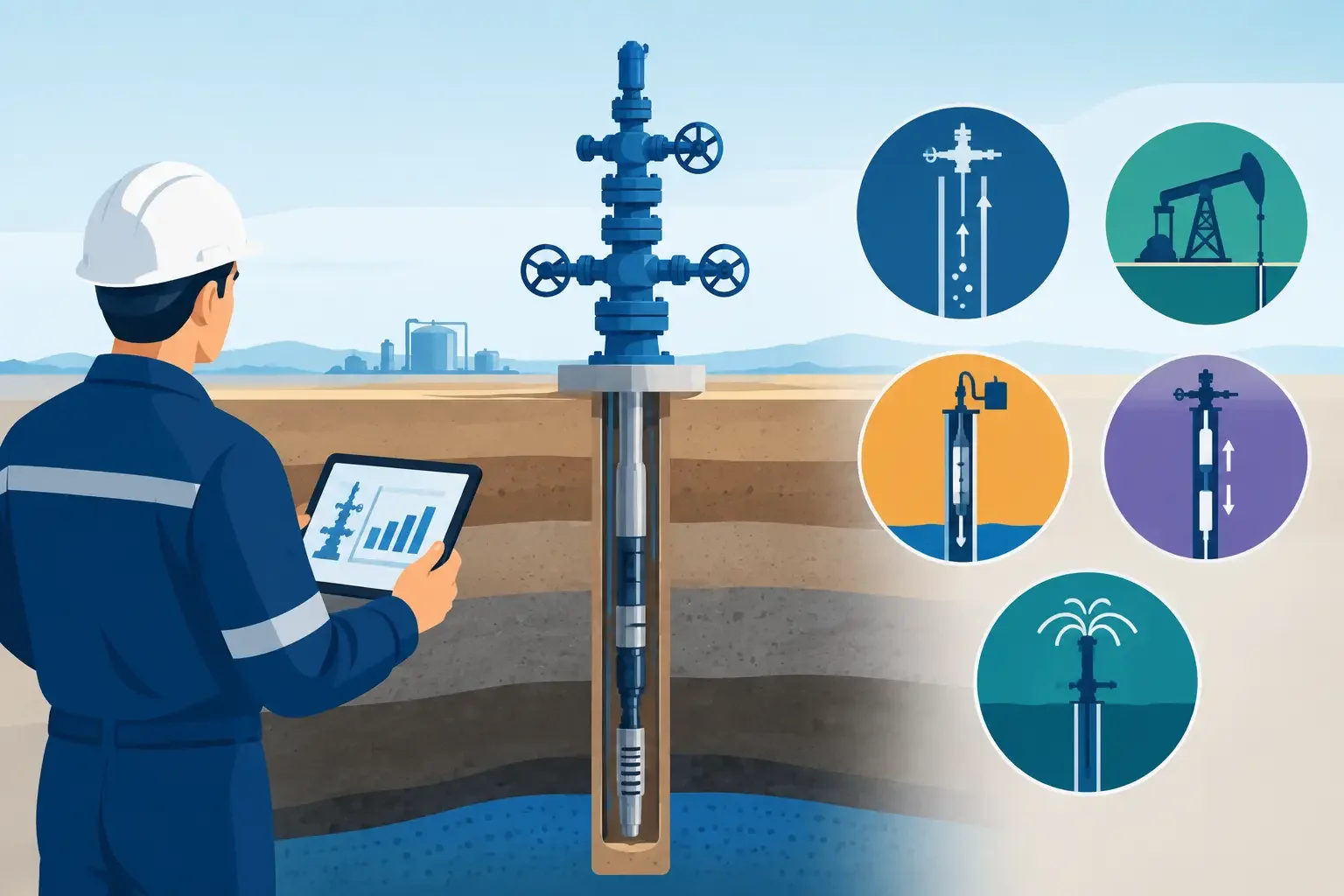
Lift method selection is a data exercise, not a preference.
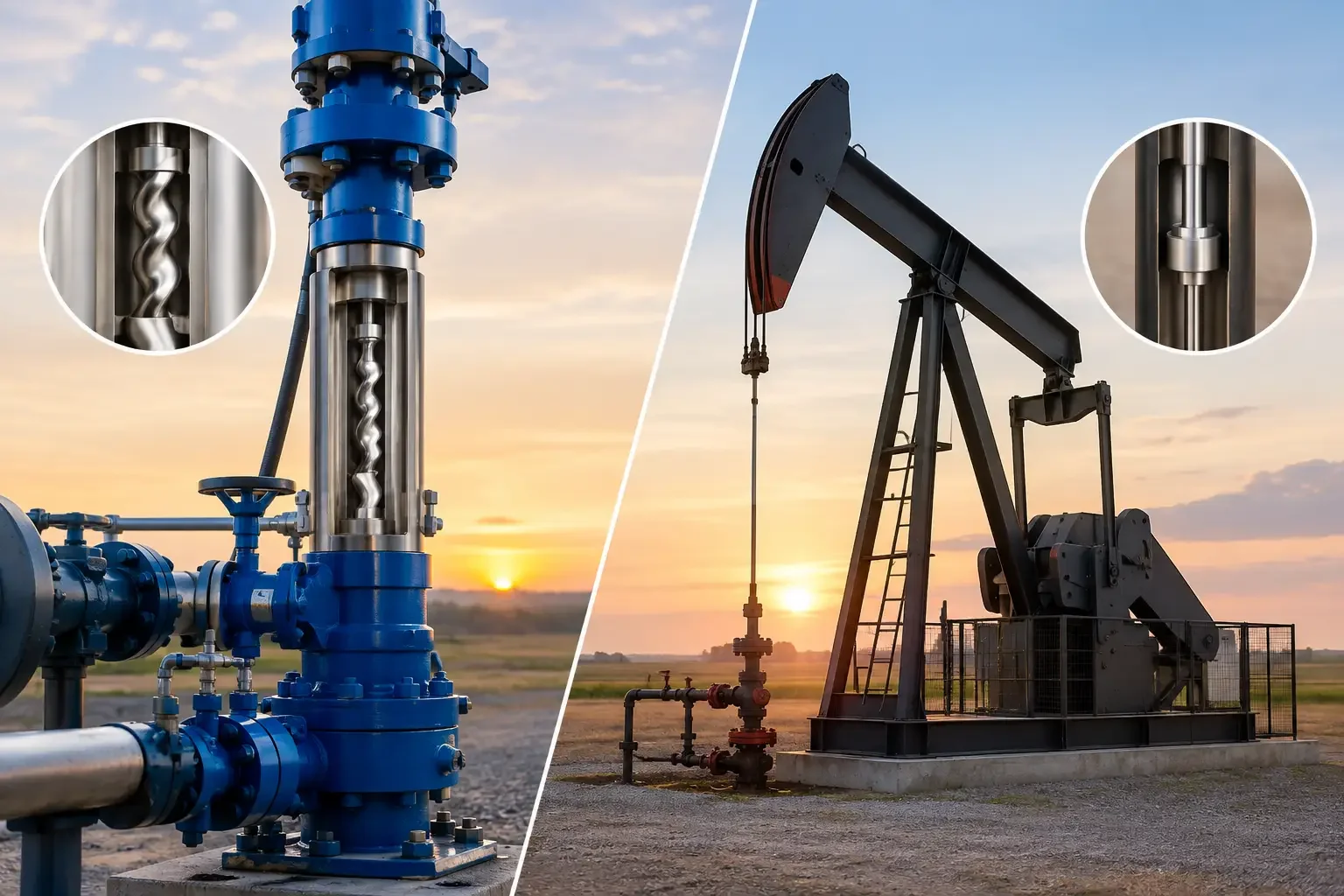
West Texas wells vary enough that no single lift method covers every situation. Gas ratios, fluid viscosity, solids content, wellbore geometry, and available infrastructure all influence which artificial lift method will deliver the best production economics. This guide covers the practical factors operators in Stamford, Baird, and throughout the Permian Basin use to match lift method to well conditions, and where PCPs outperform the alternatives.
PCP Drive Selection for Reliable Well Uptime
The drivehead is part of the system, not an afterthought.
Torque Capacity
Drive torque rating must account for peak loads, not just steady-state operation. Underrated driveheads fail early in wells with variable fluid conditions or solids.
Speed Range and VFD Control
Variable frequency drives allow speed adjustment as well conditions change. The result is better fluid fill management and reduced elastomer stress during low-fluid periods.
Surface Footprint and Installation
Drivehead geometry affects pad space, safety clearances, and maintenance access. Field realities constrain what will actually work on a given wellsite.
Service Support and Parts Availability
Drive brands with regional parts availability and service support reduce the window between failure and repair, a factor that matters more than spec sheet comparison.
PC Pumps: Abilene, TX Operations
Local stock, field knowledge, and multi-brand support from one shop.
PC pump operators in and around Abilene have access to a specialty shop that has handled progressing cavity pump systems since 1985. That tenure means familiarity with the failure patterns, fluid conditions, and operational habits common to West Texas wells, knowledge that accelerates both selection and troubleshooting. For operators in Ovalo and Cross Plains, proximity to a stocked, knowledgeable supplier shortens response time when a well goes down.
Pump Runlife Factors That Control PCP Uptime
Runlife is predictable when the right variables are tracked.
Fluid Abrasiveness and Solids Loading
Sand and fines accelerate stator wear. Pump geometry and elastomer hardness need to reflect actual solids concentrations measured from production samples.
Operating Speed vs. Rated Speed
Running a PCP above its designed speed range shortens elastomer life and increases heat generation. Speed discipline is one of the lowest-cost runlife improvements available.
Fluid Fill at Pump Intake
Pumping off, running the pump against insufficient fluid, is a leading cause of elastomer damage. Fluid level monitoring prevents it.
Elastomer-Fluid Compatibility
Produced water chemistry, temperature, and aromatic content all affect elastomer swelling and degradation. Selecting the wrong compound shortens runlife regardless of operating practice.
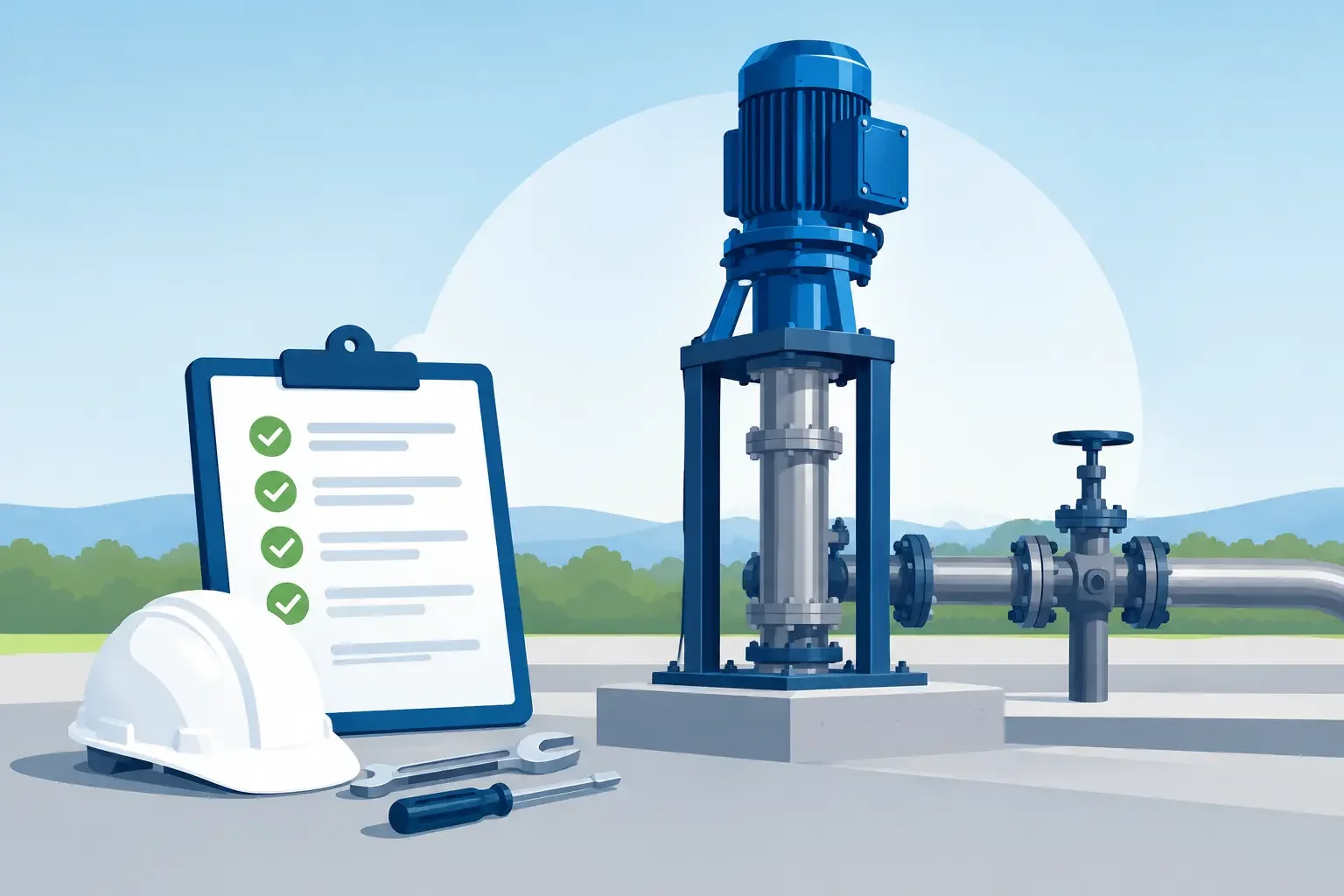
Pump Reliability Starts Before the Pump Runs
Selection and installation decisions set the ceiling on field performance.
Reliability is mostly determined before the pump reaches the wellsite. Correct sizing, verified elastomer compatibility, properly configured surface equipment, and a disciplined installation process eliminate the most common early-life failures. Operators who treat PCP installation as a logistics task rather than a technical one often encounter avoidable failures in the first few months of operation.
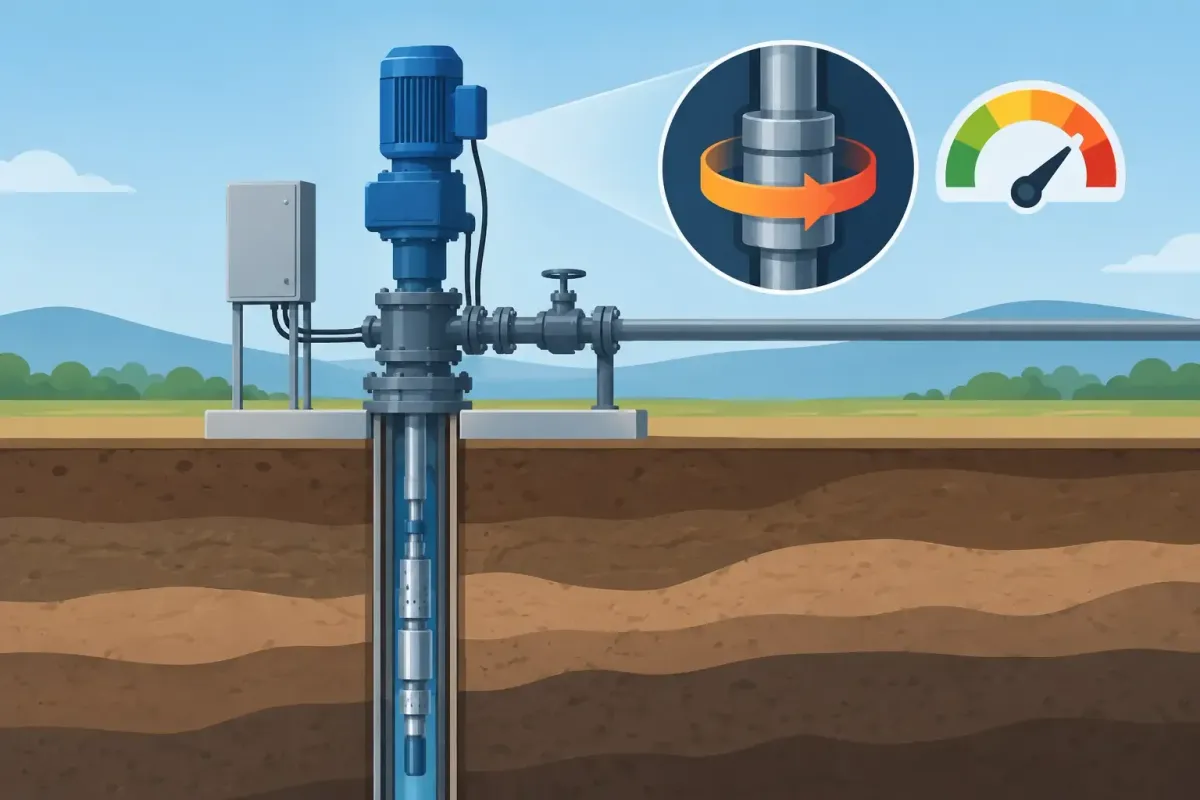
What Causes Excessive Pump Torque in PCP Wells?
Torque spikes are symptoms, finding the cause determines the fix.
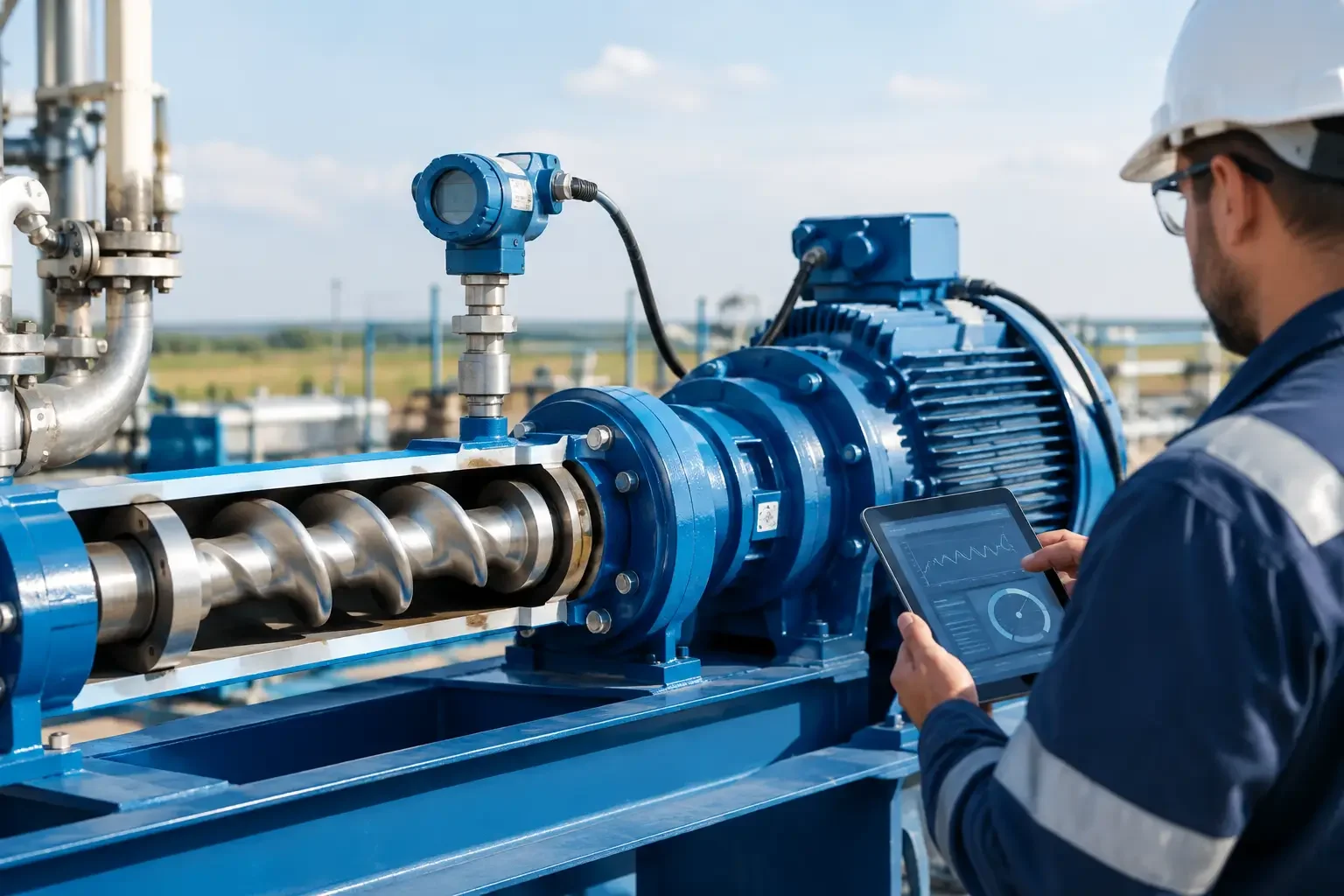
Excessive torque in a PCP well has several distinct causes: high fluid load from oversizing, solids packing around the rotor, elastomer swelling from fluid incompatibility, scale buildup inside the pump, and operating practices that place the system outside its design envelope. Each has a different corrective action. Failure analysis that stops at 'high torque' without identifying the mechanism leaves operators exposed to the same event on the next pump.
How to Evaluate Lift Method Suitability
The right lift method follows from well data, not convention.
Fluid Properties
Viscosity, solids content, gas fraction, and water cut each favor different lift mechanisms. Matching method to fluid behavior is the first filter.
Wellbore Geometry
Deviation, depth, and casing size constrain which equipment physically fits the well and can be retrieved for service.
Gas Handling
PCPs are sensitive to free gas at intake. Gas lift and ESPs handle gas differently. Free gas volumes determine whether gas separation or another method is required.
Operator Support Capability
The best lift method for a given well is partly a function of what the operating team can actually monitor, adjust, and service in the field.
Well Economics and the Cost of Lost Uptime
Deferred production is a cost that rarely appears on a purchase order.
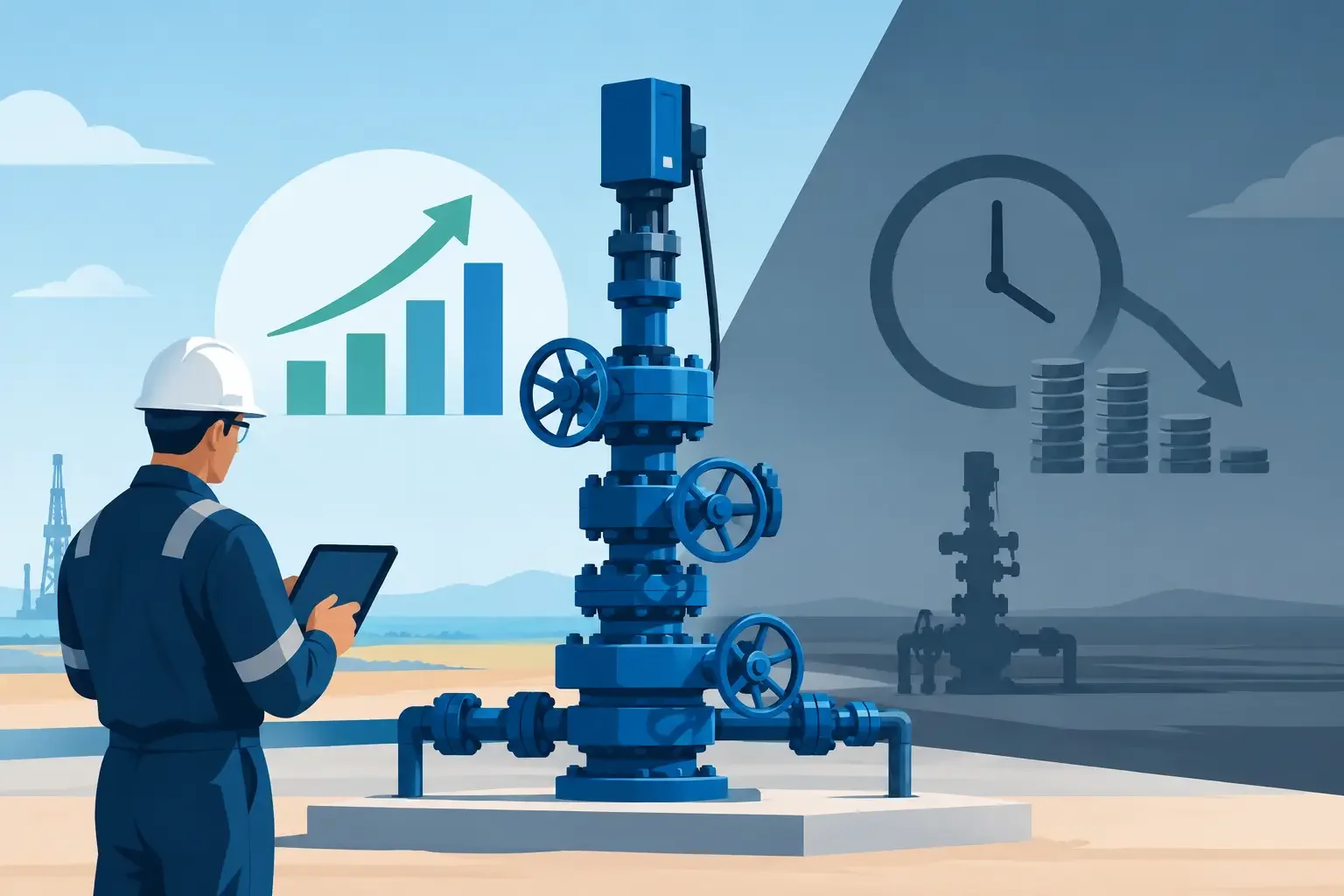
Well economics are not just about production rate. Every hour a well sits down waiting for a pump is deferred production that cannot be recovered. Workover costs, mobilization time, and lost revenue from a failed pump typically exceed the cost of the pump itself, often by a wide margin. Operators who evaluate artificial lift on purchase price alone miss the largest line items on the total cost calculation. Uptime, runlife, and service response time belong in every lift method comparison.

In the field
A look at our work
Talk to a PCP Specialist
Next step
Tell us about the job
Your name, your number and what needs doing. A person from Richardson Pump Service Inc gets back to you.
Rather talk now?(325) 668-2226