
Abilene Local
Pump Service in Cross Plains, TX
40 years of artificial lift and pump expertise, serving Cross Plains and Callahan County operators.
Request an estimate
Tell us what you need
Pump Service Cross Plains Operators Rely On
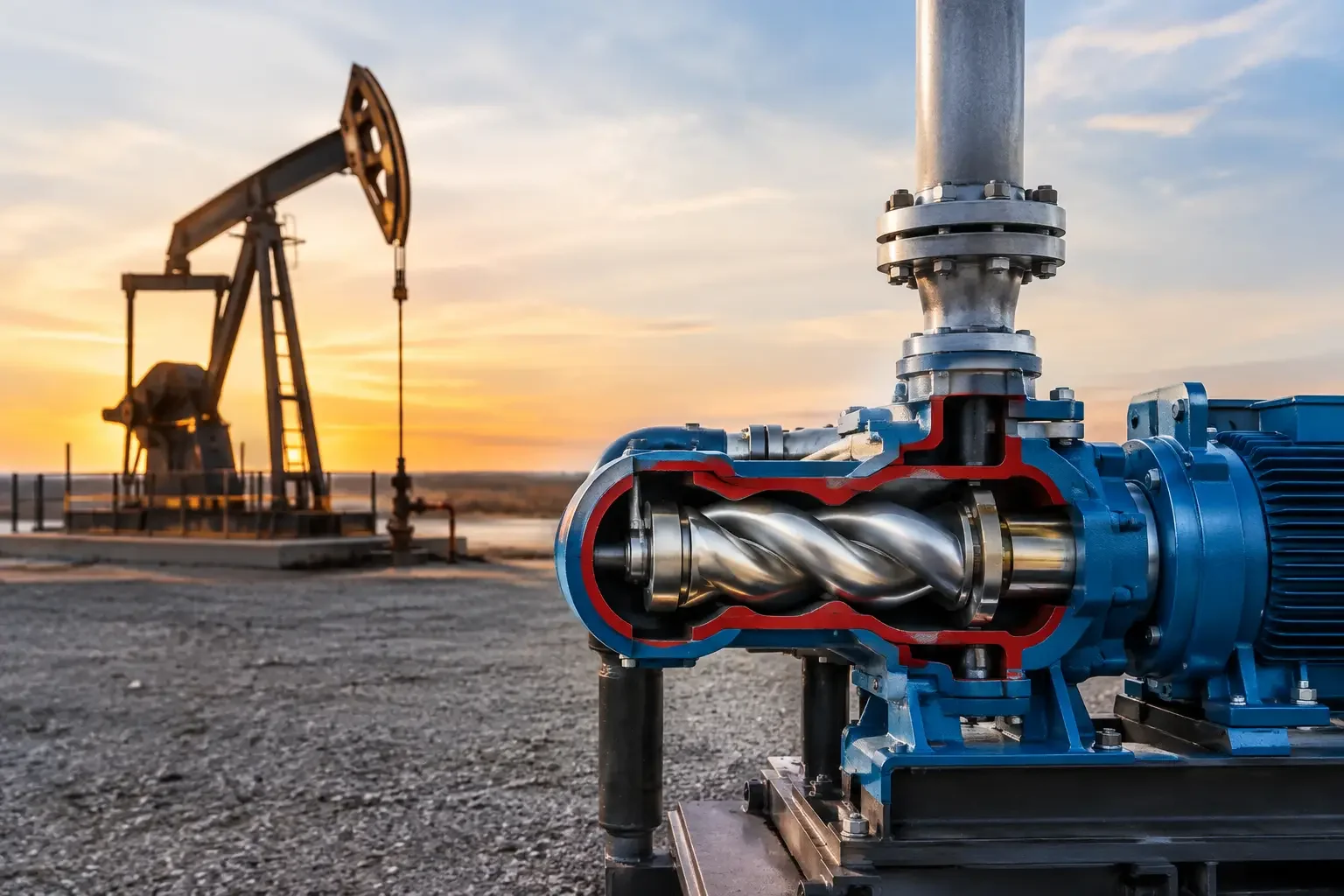
Richardson Pump Service Inc provides pump service in Cross Plains, TX, specializing in progressing cavity pumps, wellhead drives, and artificial lift systems for oil and gas operators throughout Callahan County. If you're dealing with a pump that's underperforming or have a well that's gone down, Sam Richardson has been diagnosing and fixing exactly these problems for 40 years. Call (325) 668-2226 before a slow pump becomes a stopped one.
Cross Plains draws from groundwater, and local water has historically tested for at least one contaminant above health guidelines, though within legal limits. The city's water system also reported service lines classified as lead, galvanized, or unverified to the EPA. For operators and property owners working with pump systems here, that groundwater chemistry matters: moderately hard water, consistent with Texas's median hardness around 97 mg/L, accelerates mineral buildup inside pump components over time. Add the region's clay soil, which expands and contracts with moisture changes and puts lateral stress on buried infrastructure, and you've got conditions that wear equipment faster than operators often expect. Neighbors in Baird and Clyde deal with similar groundwater and soil conditions across Callahan County.
What Pump Failure Looks Like in Cross Plains
Catching the warning signs early is almost always cheaper than emergency replacement.
Dropping Output
A gradual reduction in flow rate is one of the earliest signs a downhole pump is wearing. In Cross Plains wells, hard groundwater mineral deposits on rotor and stator surfaces will narrow effective throughput before the pump quits entirely.
Erratic Fluid Levels
If fluid level readings are inconsistent from day to day without a clear production reason, the pump may be losing prime or suffering from a worn stator. Fluid level services can confirm this without pulling the string.
Increased Power Draw
A pump consuming more amperage than its baseline to move the same volume is working harder than it should. That's often a rotor-stator fit issue or a drive problem, both of which are diagnosable before they become a full failure event.
Unusual Surface Vibration
Wellhead drive vibration that wasn't there six months ago points to a driveshaft, coupling, or downhole obstruction issue. Left alone in Cross Plains conditions, where clay soil movement can shift surface equipment alignment, it compounds fast.
Local Conditions
How Cross Plains Groundwater Affects Pump Longevity
Cross Plains pulls its water supply from groundwater, and that groundwater carries the mineral load typical of Central Texas: moderately hard, with a history of at least one contaminant above health guidelines in past sampling. For pump systems operating in or around this water chemistry, the practical effect is accelerated scaling inside pump components, particularly on elastomer stators in progressing cavity systems.
The clay soil throughout Callahan County adds a mechanical dimension that's easy to overlook. Clay expands when wet and contracts when dry, and Cross Plains sees both flash flooding and dry periods that swing that cycle hard. That expansion and contraction puts real force on buried pump infrastructure and surface pad alignment. A wellhead drive that's sitting slightly off-axis because the pad shifted isn't going to announce itself until something breaks. We've seen this pattern in nearby areas like Winters and Stamford as well, where similar soils cause the same slow creep in pad alignment.
Selecting the right rotor-stator fit for the fluid conditions in a specific Cross Plains well, and building a maintenance schedule that accounts for local water chemistry and soil movement, is exactly the kind of call that takes experience. It's not a catalog lookup.
Repair vs. Replace
When to Fix the Pump and When to Pull It
Operators ask this constantly, and the honest answer is: it depends on how long the pump has run, what the failure mode is, and what the well's production economics look like. A stator that's worn out after a full run life in a moderately producing Cross Plains well is a replacement. A rotor that's failed at 30% of expected life because of a fluid chemistry mismatch is a design problem, and replacing it with the same spec will get you the same result in another few months.
Richardson Pump Service runs failure analysis on pulled pumps specifically to answer that question. We look at the wear pattern, the elastomer condition, the rotor geometry, and the run data before we tell an operator what went wrong. We won't recommend a full system replacement when a component swap and a drive adjustment will fix the actual problem. That's not how you keep operators coming back. Call (325) 668-2226 and describe what you're seeing. Sam will tell you straight what the likely cause is.

Inspections and Permits for Pump Work in Cross Plains
Texas requires final inspections for single-family construction activities, and those inspections must document compliance with applicable codes. For pump installation or replacement work in Cross Plains, that means the work needs to be performed correctly from the start, not corrected after an inspection flags it.
The City of Cross Plains operates as a utilities provider for water and electricity services in the area. Any pump work that connects to or affects that municipal water infrastructure may require coordination with the city's utilities department. We don't pull permits on behalf of property owners, but we do know what the work requires, and we'll tell you what needs to happen before we start. No surprises on the back end. For operators in Big Spring or Parker with questions about permit requirements in their own municipalities, the same principle applies: know before you dig.
Storm Preparedness
Flash Flooding and Pump System Risk in Cross Plains
Flood-Damaged Drives
Cross Plains faces real flash flood risk. Wellhead drives and VFD control panels that sit at or near ground level can sustain water intrusion damage quickly when a storm event moves fast. Knowing where your vulnerable equipment sits before storm season is the practical move.
Power Interruption Effects
Severe thunderstorms in this area cause power interruptions that can trip VFD drives and leave pumps in a faulted state. A drive that doesn't restart cleanly after a power event needs hands-on diagnosis, not just a remote reset.
Post-Flood Inspection
After any significant flood event, pump systems should be inspected before restart. Water intrusion into motor windings or control panels can cause failures hours or days after the flood, not always immediately. Don't assume clean operation until it's been checked.
In the field
A look at our work


Cross Plains Has a Pump Problem? Call Sam.
40 years. Multi-brand PCP expertise. One phone number.
Frequently asked questions
How do I know if a pump serving a Cross Plains oil well is starting to fail?
Does the water quality in Cross Plains affect how long a progressing cavity pump lasts?
What does Richardson Pump Service's failure analysis tell an operator after a Cross Plains pump is pulled?
How does Cross Plains clay soil affect pump system maintenance schedules?
What should a Cross Plains operator do immediately after a flash flood affects a pump site?
Does Richardson Pump Service work on brands other than one specific manufacturer for Cross Plains well systems?
Related
Next step
Tell us about the job
Your name, your number and what needs doing. A person from Richardson Pump Service Inc gets back to you.
Rather talk now?(325) 668-2226